1. 引言
中国每年有200万以上的癌症患者发展至临终阶段 [1] ,他们的许多照护工作由家庭照顾者承担,家庭照顾者是指与患者有亲属关系且承担主要照护任务的家庭成员 [2] 。安宁疗护的主旨是对临终患者及其家庭照顾者提供身体、心理、精神等方面的人文关怀和支持,提高其的生活质量 [3] 。目前,我国的医疗服务资源尚不充裕,不适合照搬西方发达国家那种高经济依赖型的安宁疗护模式。家庭照顾者在临终癌症患者的照顾工作和医疗决策上具有不可替代的作用,因此,大多数城市和地区的安宁疗护可以考虑依托照顾者的合作路线或辅助路线 [4] 。医护人员可以帮助家庭照顾者深入地认识安宁疗护,通过加强对临终癌症患者家庭照顾者的安宁疗护需求进行标准化评估,为其提供帮助与支持,争取家庭照顾者的进一步参与 [5] 。目前评估安宁疗护需求的工具多由国外专家编制 [6] [7] ,不能很好地与国内的传统文化、语言体系、道德伦理氛围,还要一些工具缺乏针对临终期癌症患者家庭照顾者的特异性 [8] [9] 。为探索临终癌症患者家庭照顾者安宁疗护需求,本研究编制了一个本土化的、操作便利、功能良好的临终癌症患者家庭照顾者安宁疗护需求评定简明量表,希望能帮助我国的安宁疗护事业在依托照顾者为主要力量的路线下蓬勃发展。
2. 量表的编制过程
2.1. 量表条目池的形成
检索中国知网(CNKI)、万方数据库、维普数据库、PubMed等中外文数据库,对安宁疗护和家庭照顾者需求研究领域内的论著和量表进行回顾,获取有助于本研究的经验与思路。量表设计以Kolcaba的舒适理论为指导 [10] 。舒适理论将舒适划分为身体舒适、心理精神舒适、社会文化舒适和环境舒适四个层次,与安宁疗护中舒适的4种情境相对应 [11] 。结合文献回顾结果设计访谈提纲,采用目的抽样,选取于2021年1月~2021年6月期间在潍坊市某三甲医院的肿瘤科病房住院治疗的临终癌症患者的家庭照顾者,进行半结构性深入访谈。纳入标准为:① 所照顾的患者诊断为Ⅲc期或Ⅳ期的实体恶性肿瘤,预计生存期 < 10个月或死亡后4周内;② 家庭照顾者年龄 ≥ 20岁;③ 是临终癌症患者的主要照顾者;④ 已知情并表示同意接受访谈。排除标准:① 癌症患者患有非癌因性的其他严重影响自理能力的疾病,包括脑卒中、心功能不全、阿尔兹海默症、肾功能衰竭、COPD等;② 照顾者与患者无亲缘关系;③ 照顾者与患者之间存在金钱形式的雇佣关系。用理论性抽样确定确定访谈对象数量,访谈至第17位照顾者时理论饱和,停止访谈。使用扎根理论范式进行质性研究 [12] 。构建临终癌症患者家庭照顾者安宁疗护需求的维度和条目池,含6个维度33个条目,以此编制德尔菲函询问卷。
2.2. 德尔菲专家函询
函询专家选取标准:① 护理学或临床医学专业出身;② 有5年以上肿瘤相关科室工作经验;③ 中级及以上职称;④ 本科及以上学历;⑤ 同意参与本调查并保证完成函询。共邀请专家20人,专家基本资料见表1。函询专家来自省内多家医院和高校,具备一定的地域代表性。本市的专家发放纸质问卷,外市专家邮件发放电子版问卷,两周后收回问卷。德尔菲函询问卷包括首卷语、函询表、专家基本信息调查表、专家权威程度及熟悉程度自评调查表四部分组成。函询表包括专家对拟编制的问卷各项指标进行重要性打分和提出修改意见,专家可依据自己的判断对各项指标打出依次代表“非常不重要、不重要、一般重要、较为重要、非常重要”的1~5分,或是专家直接提出修改、删除或增添意见。专家基本信息调查表用于了解专家对研究主题所属领域的关联程度,专家权威程度及熟悉程度自评调查表用于判断专家意见可靠性 [13] 。
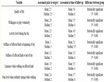
Table 1. Basic information table of experts
表1. 专家基本资料表
2.3. 预调查
在医院内选取符合上述纳排标准的20名照顾者进行预调查,调查受试者对量表作答的难易程度、完成时间、实用性、可行性以及书面表述的评价,并收集受试者对量表提出的意见与建议。
3. 信效度检验
3.1. 研究对象
采用便利抽样法选取2021年7月~2021年12月间在潍坊市某三甲医院肿瘤科住院治疗的临终癌症患者及其家庭照顾者为研究对象。纳入、排除标准同前。在参与本研究之前,所有参与者均签署了知情同意书。根据样本量计算公式N = 量表条目数 × (5~10) [14] ,《临终癌症患者家庭照顾者安宁疗护需求评定简明量表》初始量表含25个条目,考虑20%的问卷失访率,最终确定研究所需样本量不应少于150例。本研究共调查165人,回收有效问卷160份,有效回收率97%。
3.2. 调查工具
1) 基本信息调查表:研究者经查阅文献和咨询专家后制定。患者基本信息调查表内容包括患者性别、年龄、宗教信仰、KPS评分 [15] 、癌症分期、确诊至今(月);照顾者基本信息调查表内容包括照顾者性别、年龄、宗教信仰、教育程度、婚姻状况、与患者关系、职业种类、工作状态、自我健康状况评价、有无慢性病、家庭经济状况、每天照顾时间、照顾类型、照顾经历、有无其他照顾对象。2) 《临终癌症患者家庭照顾者安宁疗护需求评定简明量表》初始量表:包括患者情感支持需求(5个条目)、保证患者舒适的需求(4个条目)、健康教育需求(4个条目)、社会文化需求(4个条目)、照顾者情感需求(4个条目)和照顾者自身需求(4个条目),量表采用Likert 5级计分,1~5分分别表示条目的需要程度为不需要、不太需要、一般需要、比较需要、非常需要。问卷总得分范围25~125分,得分越高,说明家庭照顾者对安宁疗护的需求程度越高。
3.3. 统计学方法
使用Excel的函数功能计算专家积极系数、专家权威系数、指标变异系数;使用SPSS 25.0运算Kendall’s W系数,使用频数、百分比、均数和标准差描述患者和照顾者的基本信息和照顾者综合需求;采取临界比值法、相关系数法、Cronbach’s α系数法筛选问卷条目,使用Cronbach’s α系数和分半信度评价量表的信度,使用结构效度、内容效度评价量表的效度;以P < 0.05视为差异有统计学意义。
4. 结果
4.1. 德尔菲专家函询
三轮函询问卷回收率分别为100% (20/20)、90% (18/20)、100% (18/18)。三轮函询专家的权威程度均值分别为0.82和0.83和0.83;第一轮函询中,增加1个条目,7个条目因重要性得分均数 < 4或变异系数 > 0.25予以剔除,剩余27个条目;第二轮函询增添2个条目,删减4个条目,剩余25个条目;函询至第三轮,专家意见达成一致。三轮专家函询的Kendall’s W系数分别为0.397、0.185、0.401,说明专家意见一致性水平中等,数据可信。
4.2. 项目分析
经临界比值法、Pearson相关性分析、Cronbach’s α系数法检验后证实问卷条目对不同类型受试者的区分能力、鉴别能力较高,问卷内容的整体相关性良好,内在一致性稳定。
4.3. 探索性因子分析
共收集160份量表进行探索性因子分析,进行KMO和Bartlett球形度检验,结果显示KMO值 = 0.934,KMO > 阈值0.7,P < 0.001。说明各条目之间存在相关性,可进行探索性因子分析 [16] 。使用主成分分析法和最大方差法,计算各条目的因子载荷和旋转成分矩阵,25个条目的公因子方差在0.47~0.89之间。旋转后得到4个特征值 > 1的公因子,累计方差贡献率为66.86%,表示该4个公因子可以描述和解释照顾者需求状况的66.86%,详细结果见表2。
Table 2. Explanation of total variance of each factor after rotation
表2. 旋转后各因子总方差解释
在旋转成分矩阵中可见,公因子一包含条目1~条目9,因子二包含条目18~条目25,因子三包含条目11、条目13~15,因子四包含条目10、条目12、条目16和条目17。25个条目的因子载荷量在0.537~0.833之间,均>0.4,予以保留。因子旋转矩阵见表3。
Table 3. Component matrix after factor rotation
表3. 因子旋转后成分矩阵
对4个公共因子进行分类与命名,因子一9个条目均是围绕着照顾患者的情感和躯体展开,故可分为患者情感支持需求和保证患者舒适需求;因子二8个条目均围绕着照顾者现实生活中的个人问题展开,可分为照顾者的情感需求和照顾者自身需求;因子三是照顾者对获取健康教育的需求,通常由院方提供,命名为健康教育需求;因子四涉及的是照顾者在患者临终阶段处理患者与自己、家人和社会关系以及寻求社会支持的需求,按原来设计命名为社会文化需求。结合最初的问卷维度设计,对该四个因子划分为六个维度并分别命名为:患者情感支持需求、保证患者舒适需求、照顾者情感需求、照顾者自身需求、健康教育需求、社会文化需求。
4.4. 效度检验
本研究邀请了10位专家对量表的题目与原定内容范围的符合程度进行评判,专家的权威系数为0.88,全体一致性效度SCVI (SCVI/UA, universal agreement) = 0.9,条目的平均SCVI (SCVI/ave)在0.78~0.94之间,说明专家对该量表普遍认可,量表内容效度良好 [17] 。
4.5. 信度检验
量表总体的Cronbach’s α系数为0.958,分半信度为0.918,各维度的Cronbach’s α系数在0.760~0.878之间,分半信度在0.798~0.894之间,说明本研究编制的量表信度良好,量表条目的一致性与稳定性较高,结果可靠。维度的Cronbach’s α系数与分半系数见表4。
Table 4. Test of dimensions and overall reliability of the scale
表4. 量表各维度及总体信度检验
5. 讨论
5.1. 临终癌症患者家庭照顾者安宁疗护需求评定简明量表的意义
临终癌症患者是一个对癌症治疗措施已经无效、预计生存期不到10个月的群体 [18] ,在从失去治愈希望到死亡的整个临终过程里,患者及其家庭照顾者会经历生理、心理和社会性的复杂变化 [19] 。在生理上,终末期的癌症患者会出现生命体征紊乱、器官功能障碍、癌性疼痛、呼吸困难、肠梗阻、浮肿和黄疸等 [20] ,在心理上可能会经历否认、悲愤、绝望等负面情绪。在此阶段,安宁疗护秉承着控制症状和提高生活质量的目的,取代以治愈为目的的抗癌治疗成为了大多数患者及家庭照顾者主动或被动的选择 [21] 。安宁疗护通常包含住院照护和居家照护两种模式,无论是居家还是住院,基本生活照顾都由家庭照顾者提供,家庭照顾者也是癌症相关临床决策的决策主导者 [22] 。这种基于家庭照顾者承担了大量照护任务之上的安宁疗护模式,是最适合于我国当前阶段医疗卫生资源供需现状的发展路线。为了帮助临终癌症患者接受更好的安宁疗护,共同提高患者及家庭照顾者的生活质量,本研究从家庭照顾者的视角出发,将患者及其家庭照顾者视为安宁疗护的统一护理单元,构建了包含患者情感支持需求、保证患者舒适需求、治疗环境需求、社会文化需求、照顾者情感需求、照顾者自身需求的需求框架。这些需求的满足的存在和目标都是为了患者的舒适。患者的舒适情况极大程度上影响了家庭照顾者的需求与生活质量,家庭照顾者的需求不能脱离患者独立存在。家庭照顾者在临终癌症患者的照顾和医疗决策上具有不可替代性,因此,有必要对其的安宁疗护需求进行标准化评估。本量表功能良好、易于操作,可以作为评估临终癌症患者家庭照顾者对安宁疗护需求的实用工具。
5.2. 编制量表方法的科学性
本研究前后使用了文献回顾、扎根理论、德尔菲法、预调查、探索性因子分析等方法,充分确保量表的科学性、专业性、实用性。德尔菲法选取了来自山东省不同地区的三级甲等医院或医学高校的专家,年龄层次结构合理、具有丰富的专业知识和临床经验以及学术素养,大部分担任肿瘤学或安宁疗护学术团体的社会兼职,专家均对临床癌症领域掌握丰富的知识,是活跃于该领域的专家,函询结果具有较高的可信性。通过对量表进行项目分析,证实条目的区分能力与鉴别能力良好,量表各条目与量表整体的相关性较好,量表内在一致性稳定。探索性因子分析显示量表的条目在公因子上有较高的负荷,并且没有跨负荷的条目,说明公因子有良好的区分度和聚合度。信度方面,问卷总体和各维度的Cronbach’s α均>0.7,达到推荐水平以上,分半系数也在理想范围内。总体说来,本问卷的信效度良好,结构可靠。
6. 小结
本研究编制的《临终癌症患者家庭照顾者安宁疗护需求评定简明量表》具有以下特点:① 重视家庭照顾者在临终癌症患者照护中的作用,在评估安宁疗护需求时充分考虑家庭照顾者的功能性、代表性、决定性,以家庭照顾者为对象,将其与患者视为统一护理单元,调查双方对安宁疗护存在的需求;② 本研究考虑到临终癌症患者的临床现场具有工作忙、任务重、时间紧、节奏快、护理人手缺乏、照顾者心情沉重和文化程度差距大的特点,设计了较为简短的问卷,包括患者情感支持需求(5个条目)、保证患者舒适的需求(4个条目)、健康教育需求(4个条目)、社会文化需求(4个条目)、照顾者情感需求(4个条目)和照顾者自身需求(4个条目)共25个条目,10分钟左右便可完成,问卷结构清晰、语言简单、容易理解。相比起条目丰富的长问卷,本简明问卷不会花费受访者较长的时间和过多的精力,对于阅读障碍或阅读困难的患者,可由研究者协助填写,实际操作中具备可行性。